UW astronomers spot record-breaking asteroid in Rubin Observatory data

January 22, 2026 | UW News

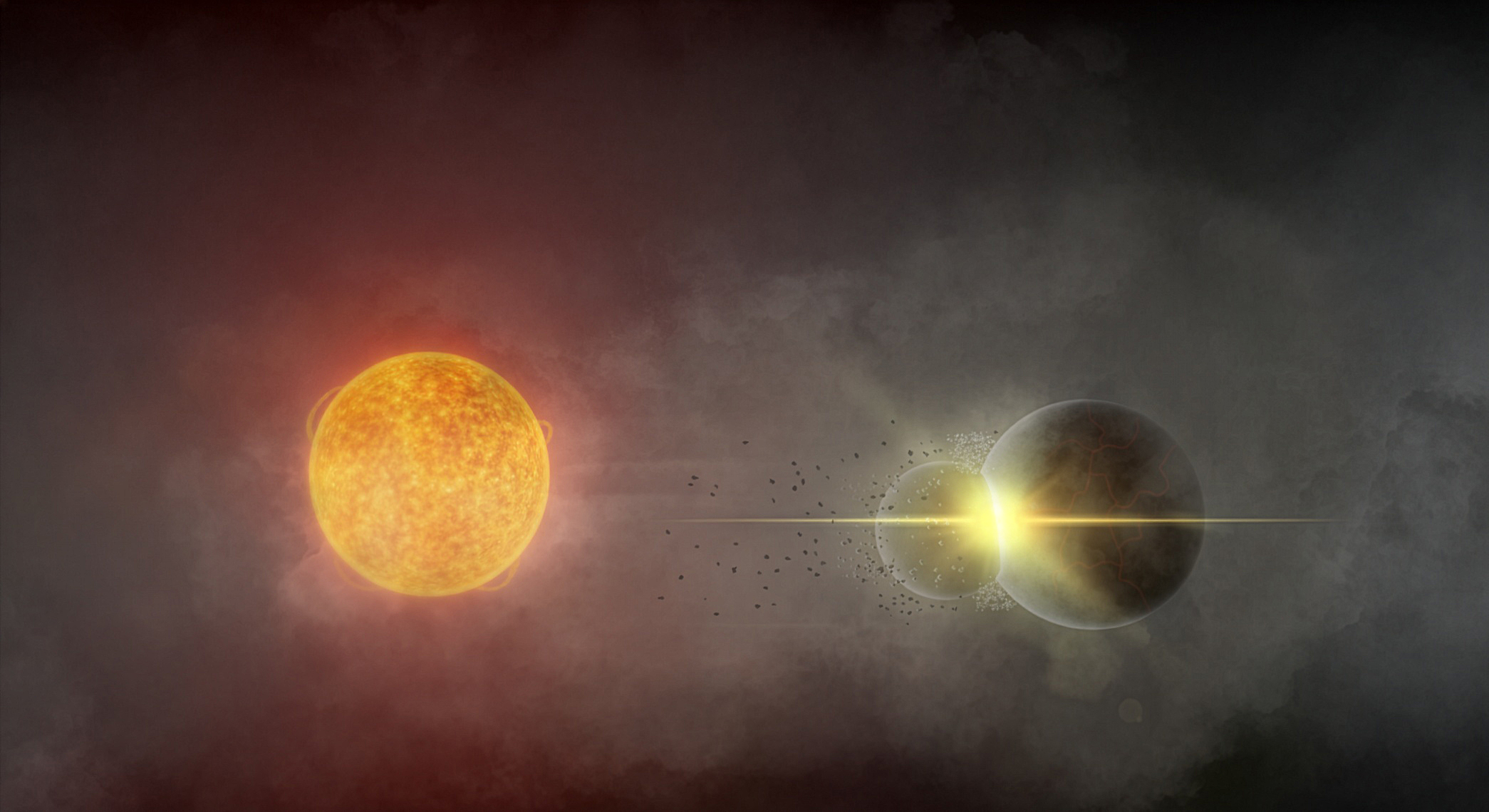
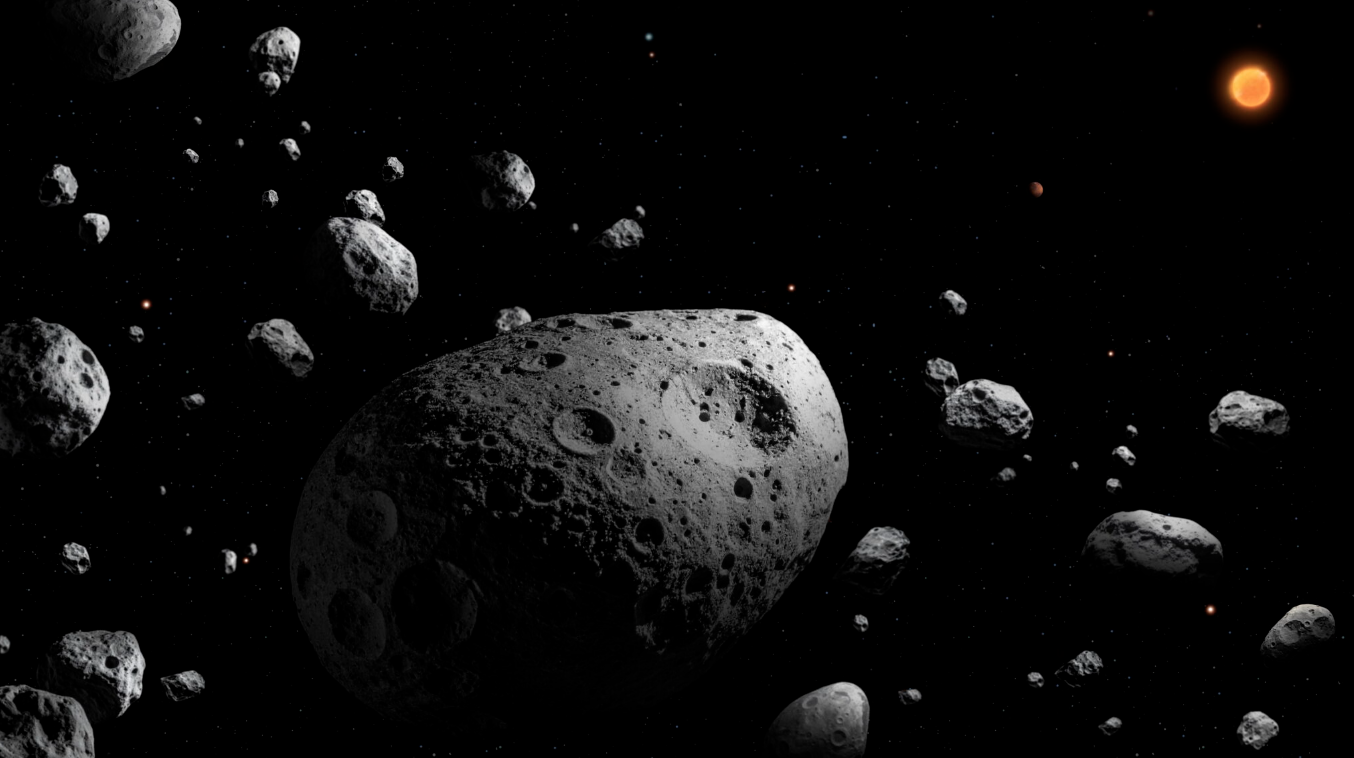
A team led by University of Washington astronomers has discovered the fastest-ever spinning asteroid with a diameter over half a kilometer. The asteroid — found while analyzing data from the NSF–DOE Vera C. Rubin Observatory and dubbed 2025 MN45 — is 0.4 miles in diameter and completes a full rotation every 1.88 minutes.

Read More »

The Dynamic Sky

January 14, 2026 | Rebecca Bodenheimer | The Magazine of Harvey Mudd College

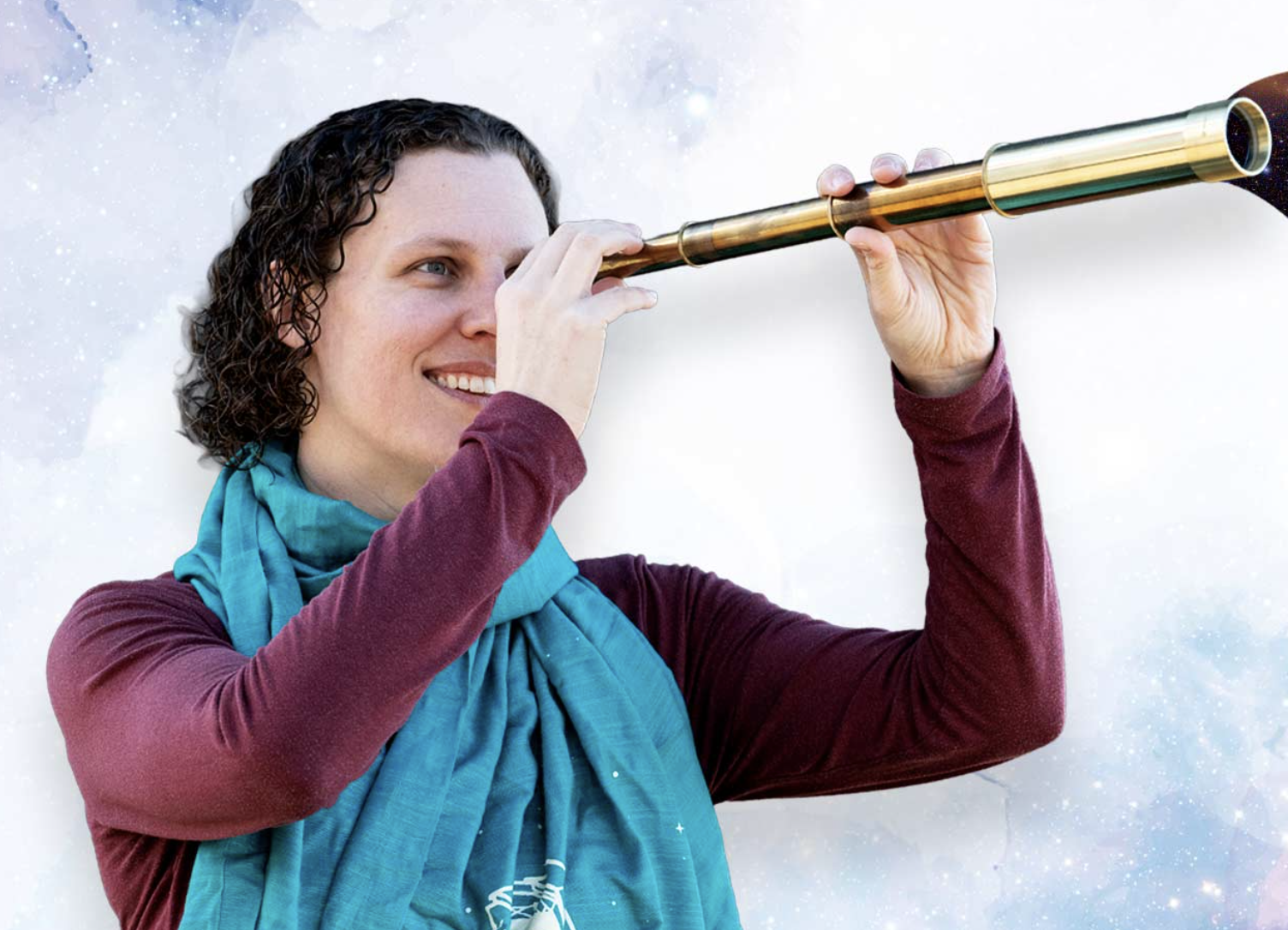
Astronomer Meredith Rawls is working to explore and protect the universe.

Read More »

NSF–DOE Vera C. Rubin Observatory Spots Record-Breaking Asteroid in Pre-Survey Observations

January 7, 2026 | DiRAC News

First peer-reviewed paper using LSST Camera data identifies an asteroid, nearly the size of eight football fields, rotating every two minutes. The study was led by Sarah Greenstreet, NSF NOIRLab assistant astronomer and lead of Rubin Observatory’s Solar System Science Collaboration’s Near-Earth Objects and Interstellar Objects working group. The team presents their results in a paper appearing […]

Read More »

Postdoctoral Opportunities at DiRAC

October 10, 2025 | DiRAC

We invite applications for the 2026 DiRAC Fellowship in the Department of Astronomy at the University of Washington. These up to 3-year full time postdoctoral positions are available to promising early-career scientists.

Read More »

Video: Going Deep on the Vera Rubin Observatory, with Željko Ivezić

September 24, 2025 | ArtsUW

What will Rubin Observatory discover that no one’s expecting? Neil deGrasse Tyson and comedian Chuck Nice learn and answer cosmic queries about the Vera Rubin Observatory, the Legacy Survey of Space and Time (LSST), and our next big tool to uncover more about the universe with Zeljko Ivezic, Director of Rubin Observatory Construction.

Read More »

UW helps bring the cosmos into focus as the Vera C. Rubin Observatory unveils a new glimpse into the solar system

June 24, 2025 | UW News | by Jackson Holtz

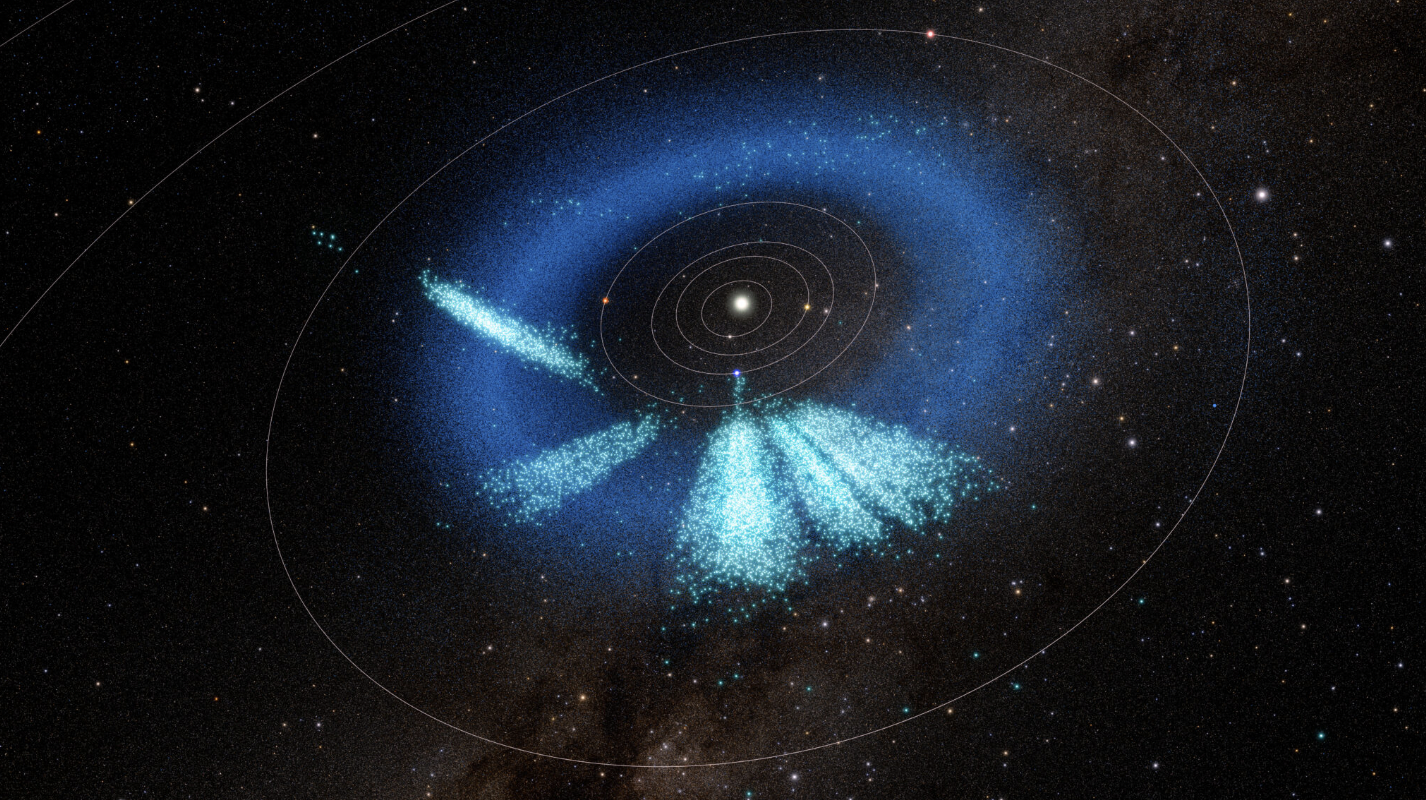
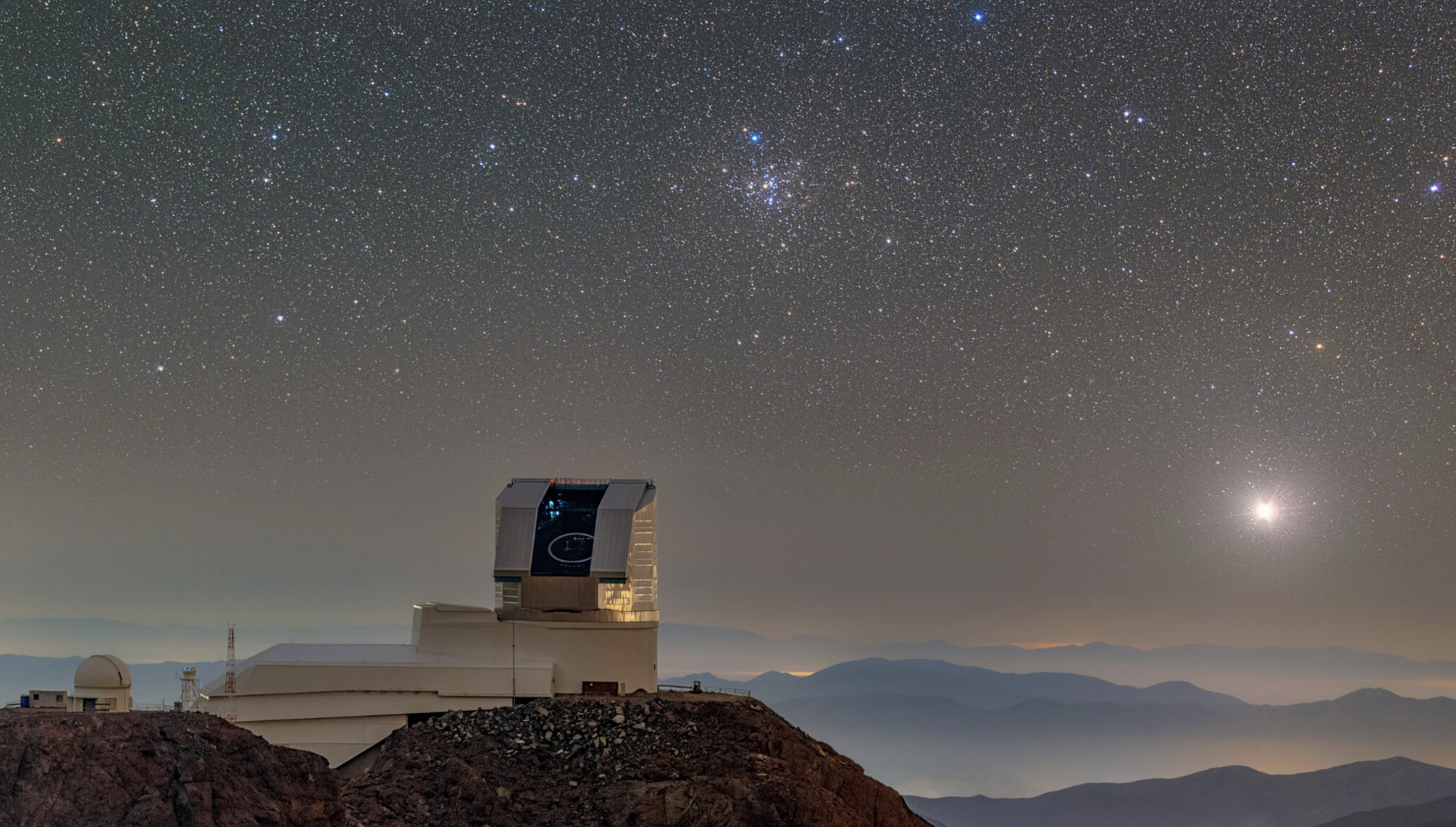
A new era of astronomy and astrophysics began Monday when the first images captured by the NSF–DOE Vera C. Rubin Observatory were released, demonstrating the extraordinary capabilities of the new telescope and the world’s largest digital camera. Officials in Washington, D.C., unveiled large, ultra-high-definition images and videos, as well as discoveries of thousands of new asteroids. Astronomers and […]

Read More »