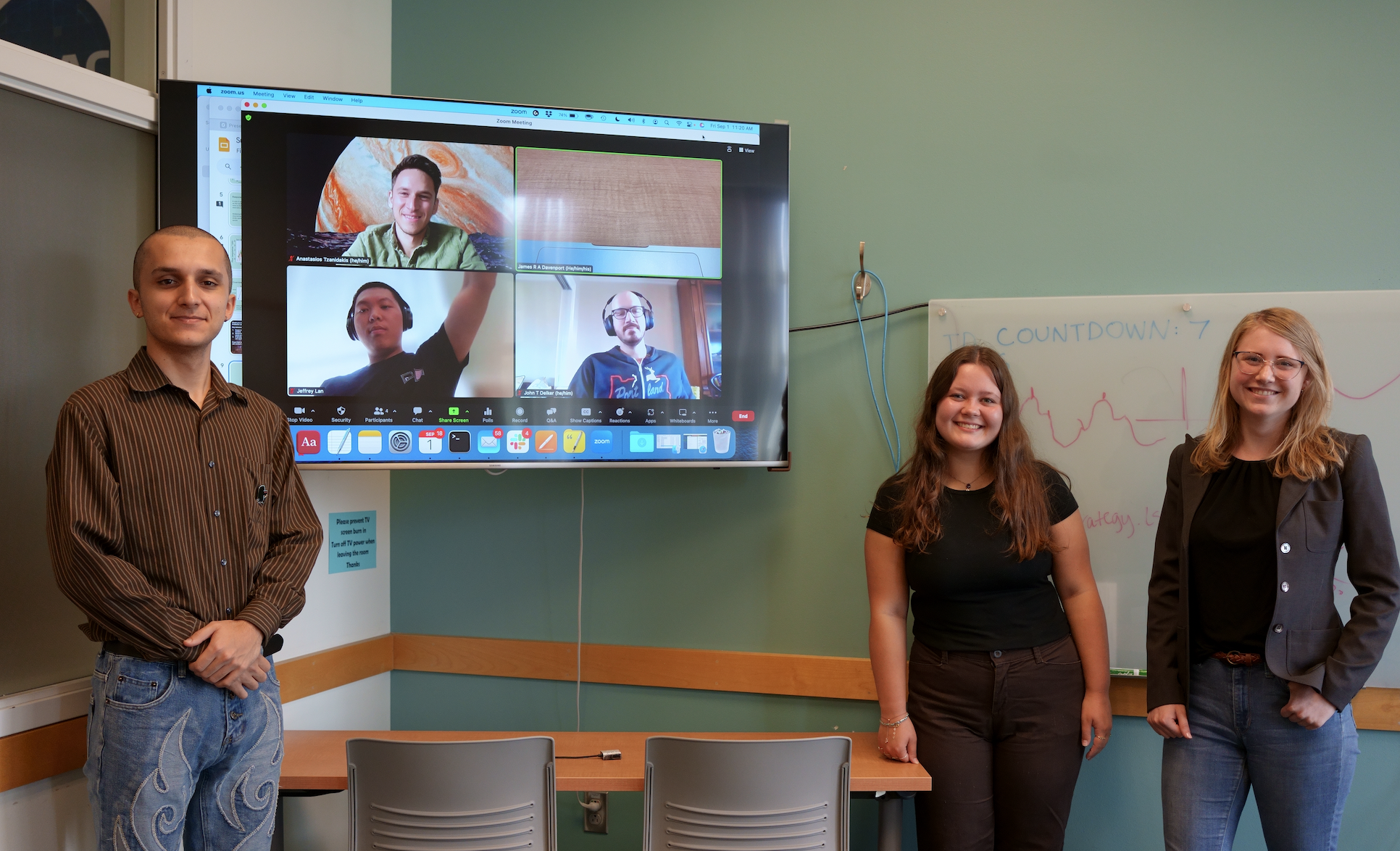
Colin Orion Chandler featured on the AAS YouTube channel’s author series
April 30, 2024 | DiRAC News
April 30, 2024 | DiRAC News
March 25, 2024 |
Your contribution on Husky Giving Day (HGD) is a catalyst for a student-centered initiative led by DiRAC and the Department of Astronomy! Make a gift today! Join us in our mission to achieve 20 gifts before April 4th and unlock a $10,000 challenge. Every contribution, regardless of the amount, brings us closer to our goal. […]
Read More »March 19, 2024 | UW News
March 18, 2024 | Colin Orion Chandler
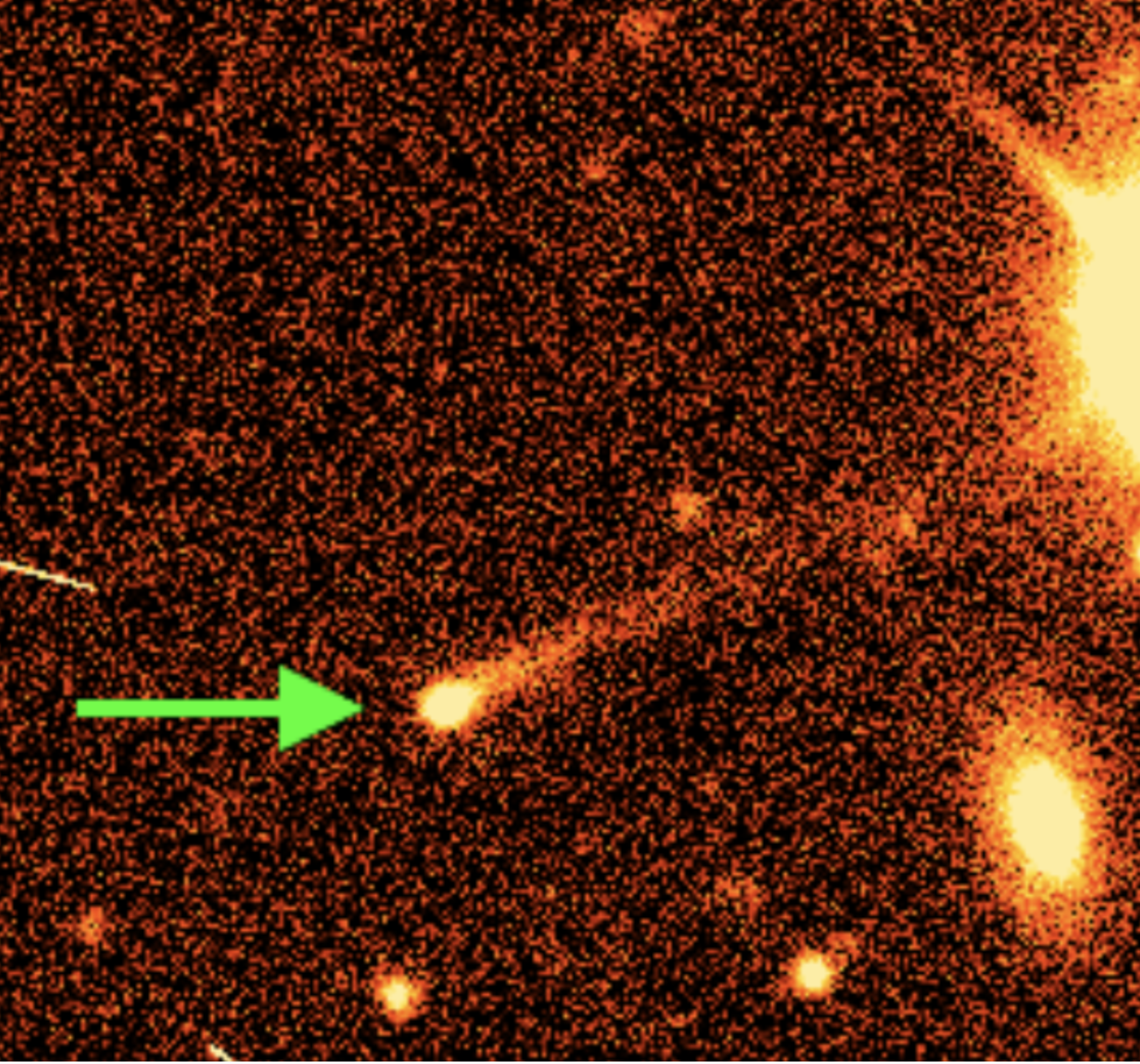
In a groundbreaking collaboration between scientists and the global community, the “Active Asteroids” Citizen Science project has unveiled a trove of discoveries, shedding light on a poorly understood population of objectspreviously unknown “active minor planets” in our solar system. Launched on August 31, 2021, through a NASA Partner program hosted on the Zooniverse online platform, […]
Read More »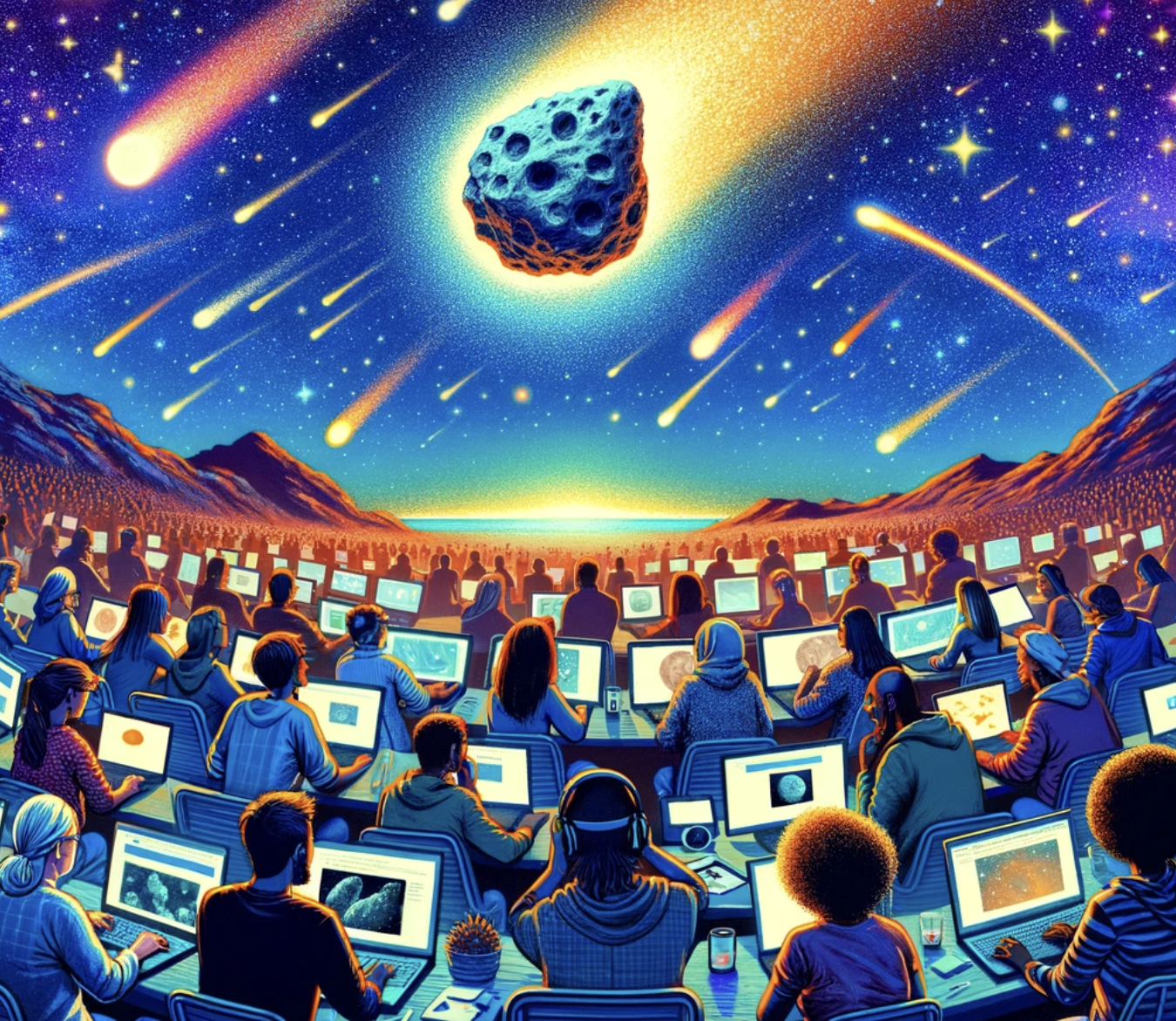
March 13, 2024 | Rubin Observatory News
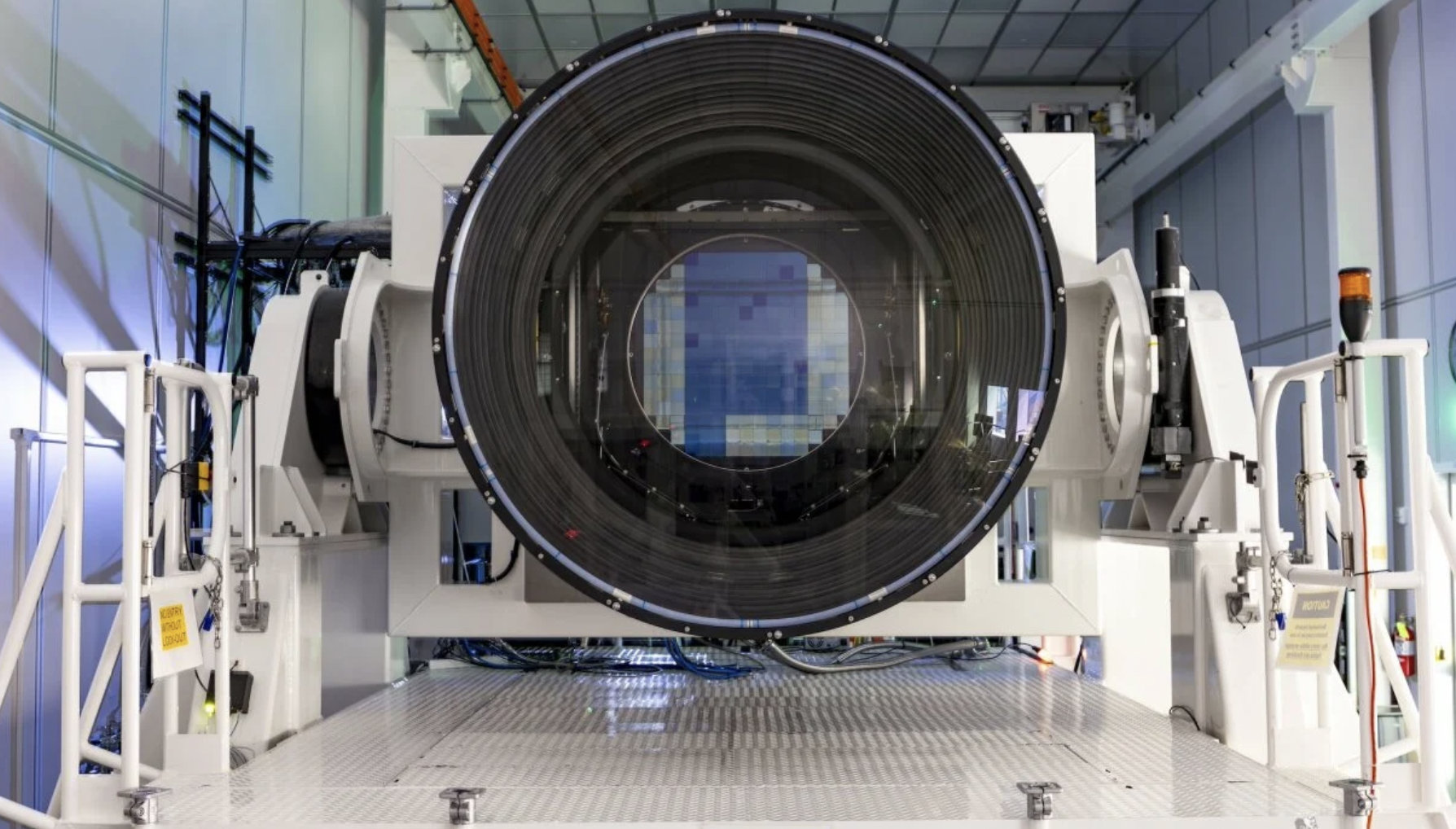
Rubin Observatory’s primary/tertiary mirror was successfully moved from a storage building into the observatory on March 7, 2024.
Read More »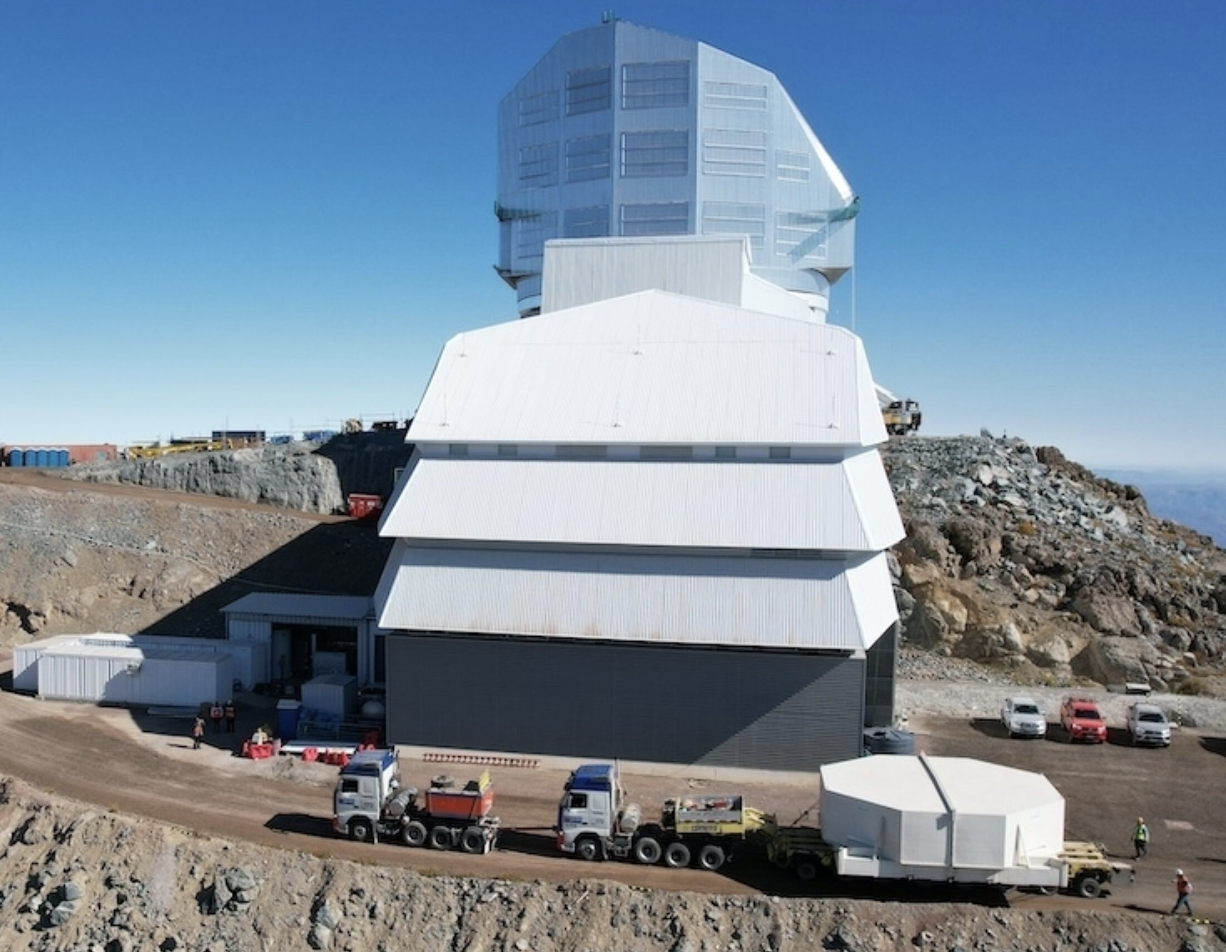
February 14, 2024 | SETI Institute
February 11, 2024 | Mashable | Mark Kaufman
February 6, 2024 | DiRAC News
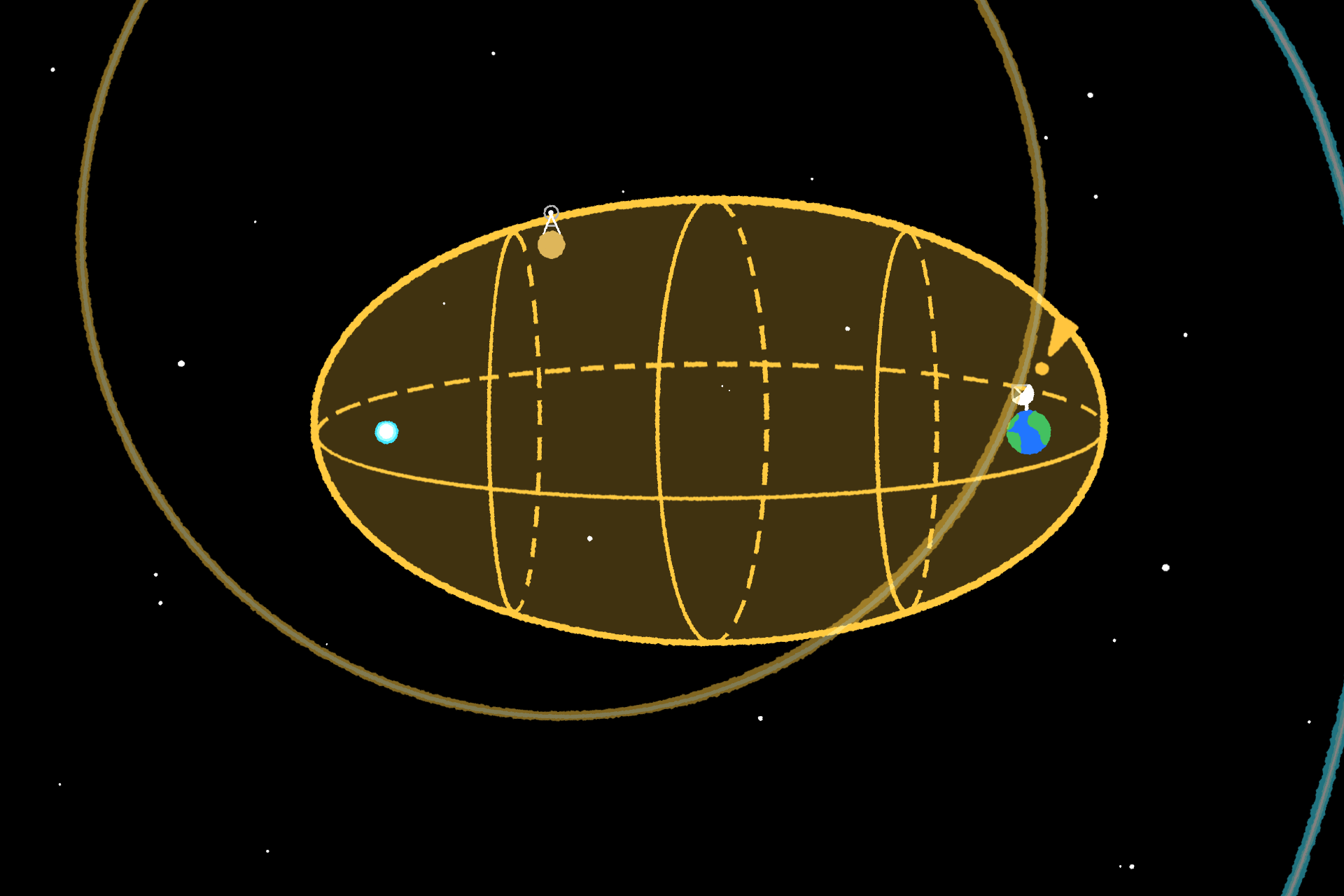
The $10,000 First Prize was awarded to Dr. Kyle Boone and Dr. Matthew McQuinn of the University of Washington, for their work entitled “Solar System-scale interferometry on fast radio bursts could measure cosmic distances with sub-percent precision”, published in The Astrophysical Journal Letters and recognized by the judging panel for “proposing a new method for measuring […]
Read More »December 15, 2023 | Nikolina Horvat
The report covers DiRAC’s current impact, highlights in science and personnel, in-depth articles, a review on past and upcoming events, as well as recognizing and celebrating our community’s efforts. Explore the remarkable accomplishments at DiRAC throughout 2023.
Read More »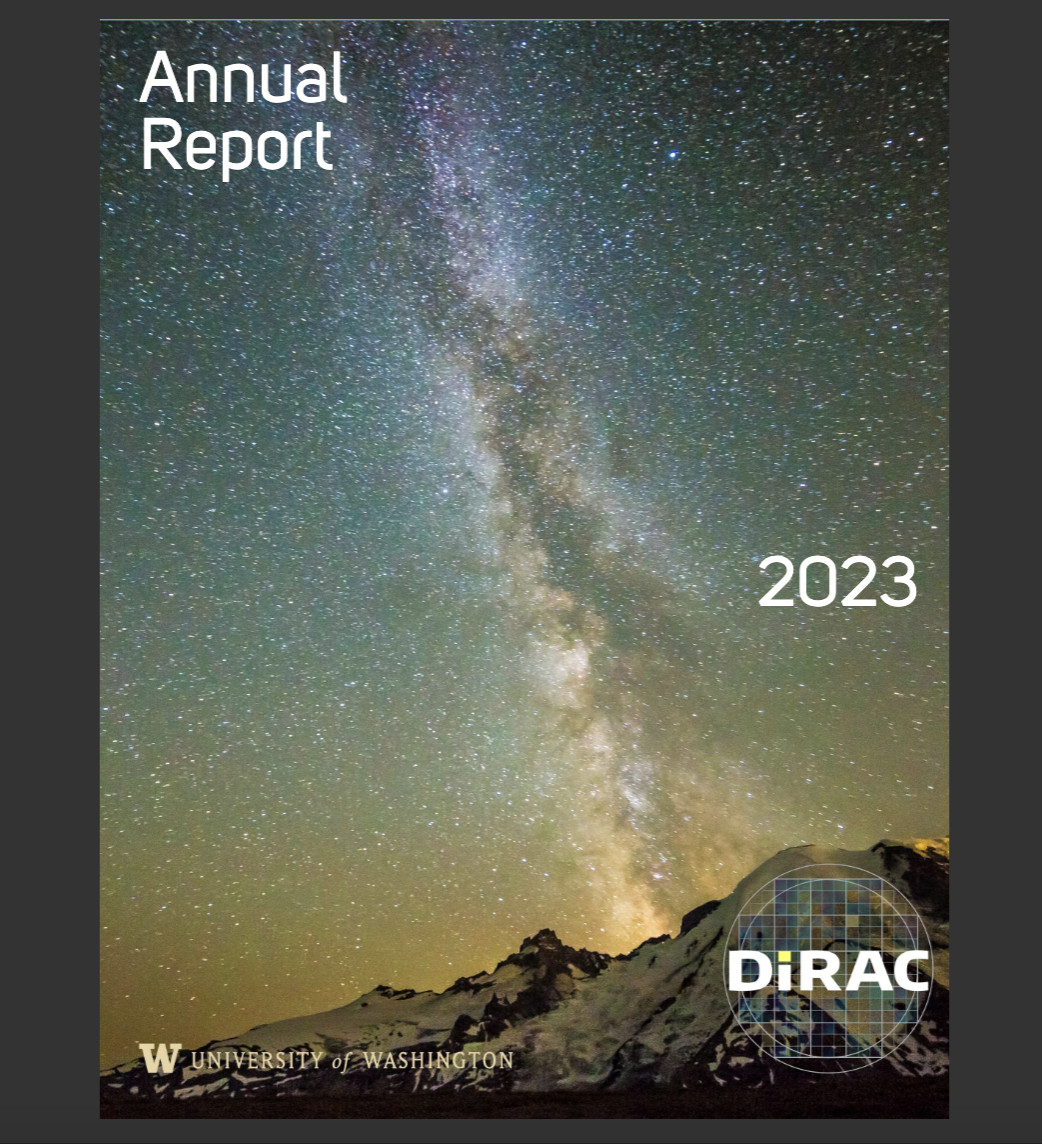
December 15, 2023 | Mario Juric
Make a Gift Today! Your gifts to DiRAC will enable our students and researchers to continue bringing these discoveries to the world in 2024. Join and support us on that journey, help us train the next generation of leaders in astronomy, and help make UW the center of the (scientific) Universe!
Read More »