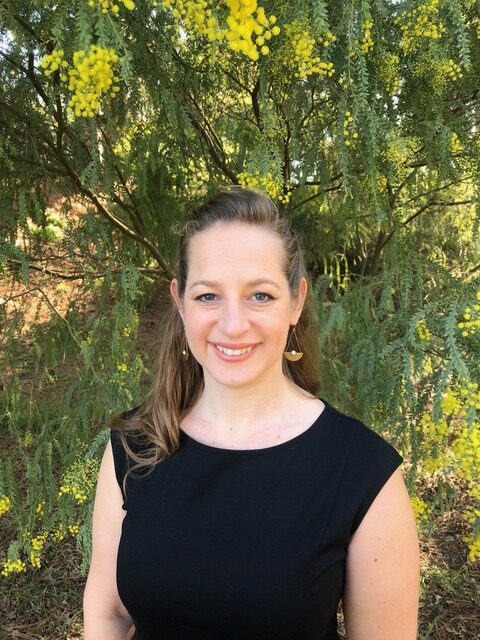
Affiliation: Alumni

Pedro Bernardinelli
I completed my Ph.D at the University of Pennsylvania, focusing on the development and application of new techniques for the discovery and characterization of the most distant bodies in our Solar System, trans-Neptunian objects, as part of the Dark Energy Survey (DES). At the University of Washington, I am expanding this research to current surveys, as well as upcoming projects such as the Rubin Observatory’s Legacy Survey of Space and Time (LSST).
Discovering these objects is inherently a computationally expensive task, requiring these bodies to be tracked across multiple telescope images during several years of observations, as these move against the background of stars in the night sky. My research focuses on the development of computationally efficient and effective algorithms to enable such discoveries. I am also interested in the relationship between models of formation of the Solar System and the population of trans-Neptunian bodies, and I am carrying studies of photometric colors as well as comparisons of theoretical populations to observed data.

Hayden Smotherman

Rebecca A Phillipson
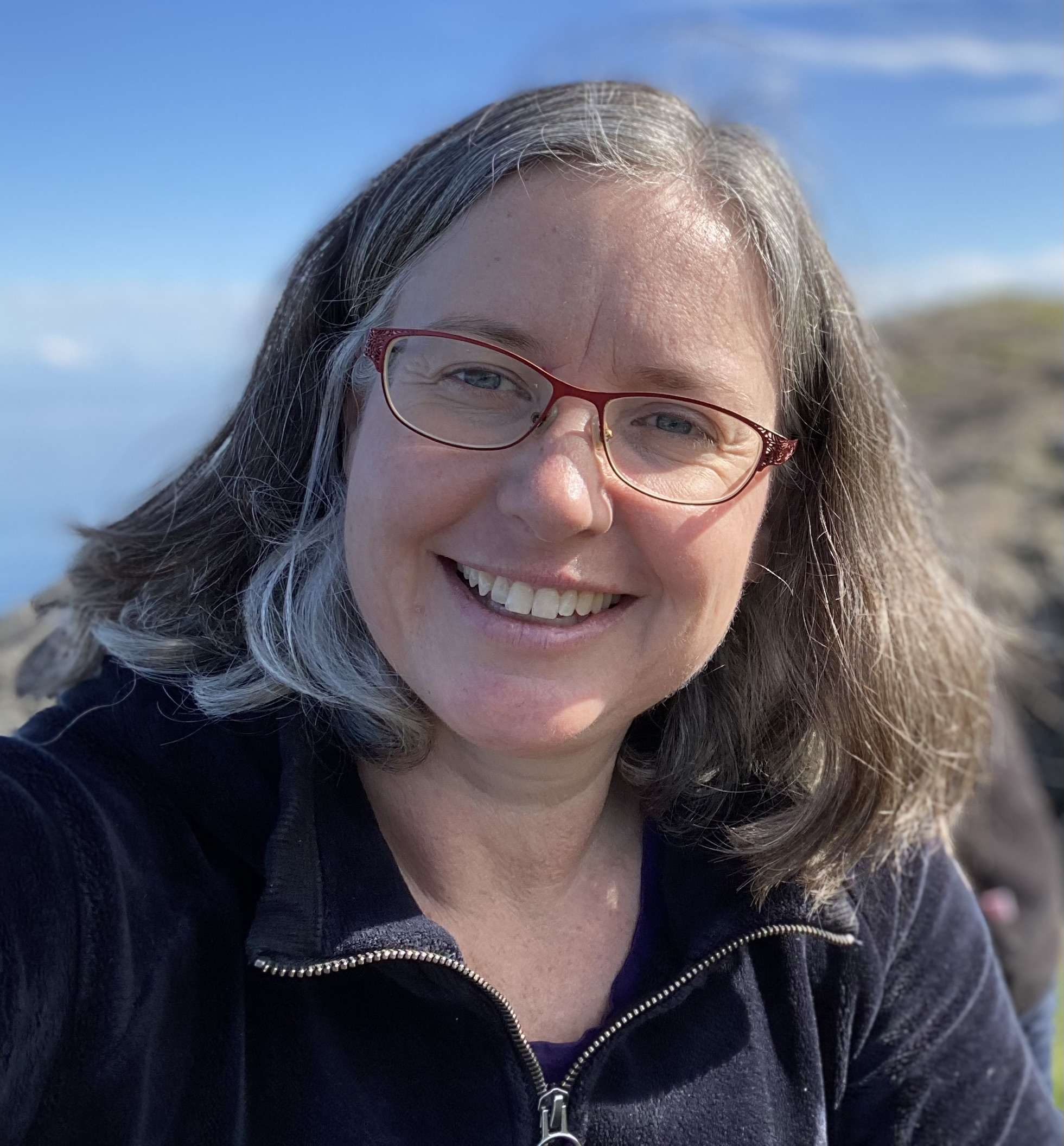
Lynne Jones
Lynne Jones is the LSST Performance Scientist, working with Rubin Observatory. She is currently working on the optimization of the LSST survey strategy. She studies small objects throughout the Solar System, with a particular interest in surveys for distant TransNeptunian Objects and lightcurve properties of asteroids. She is currently located in Victoria, BC.
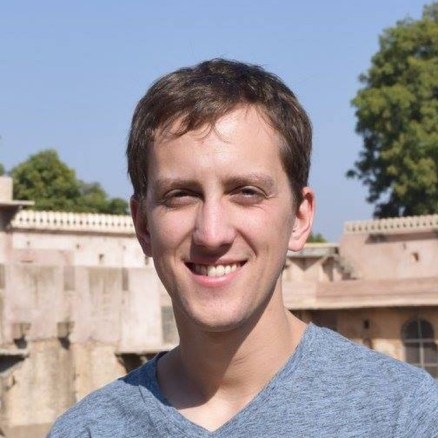
Kyle Boone

Keaton Bell

Christopher B. Morrison

Spencer Nelson
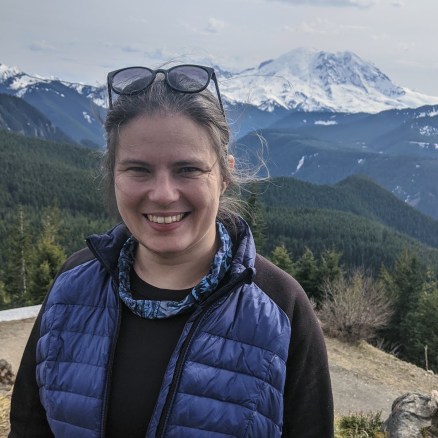
Brigitta Sipőcz
Brigitta Sipőcz is an astronomer by training, and occasionally still observes the night sky, but she currently spends most of her time writing and maintaining software. She works on the development and extension of astroML and collaborates with other DiRAC researchers on methodologies and applications of time series data and topics related to data intensive astrophysics.Brigitta is one of the key core maintainers of Astropy, including the core library and several other major packages in the wider ecosystem of affiliated and infrastructure packages. She enjoys solving DevOps and integration challenges that affect widely used libraries. She has a keen interest in the sustainability of software and the role of research software engineers in academia. She treasures her time at DiRAC as the best opportunity to deepen knowledge about a wide variety of topics, from cutting edge astronomical algorithms, through probabilistic programming, to cloud engineering.